@jdomito_ (slide 1 of 9)
@jdomito_ (slide 2 of 9)
@jdomito_ (slide 3 of 9)
@jdomito_ (slide 4 of 9)
@jdomito_ (slide 5 of 9)
@jdomito_ (slide 6 of 9)
@jdomito_ (slide 7 of 9)
@jdomito_ (slide 8 of 9)
@jdomito_ (slide 9 of 9)
1 / 9

Brand crush

Brand study

Identity by jdomito_

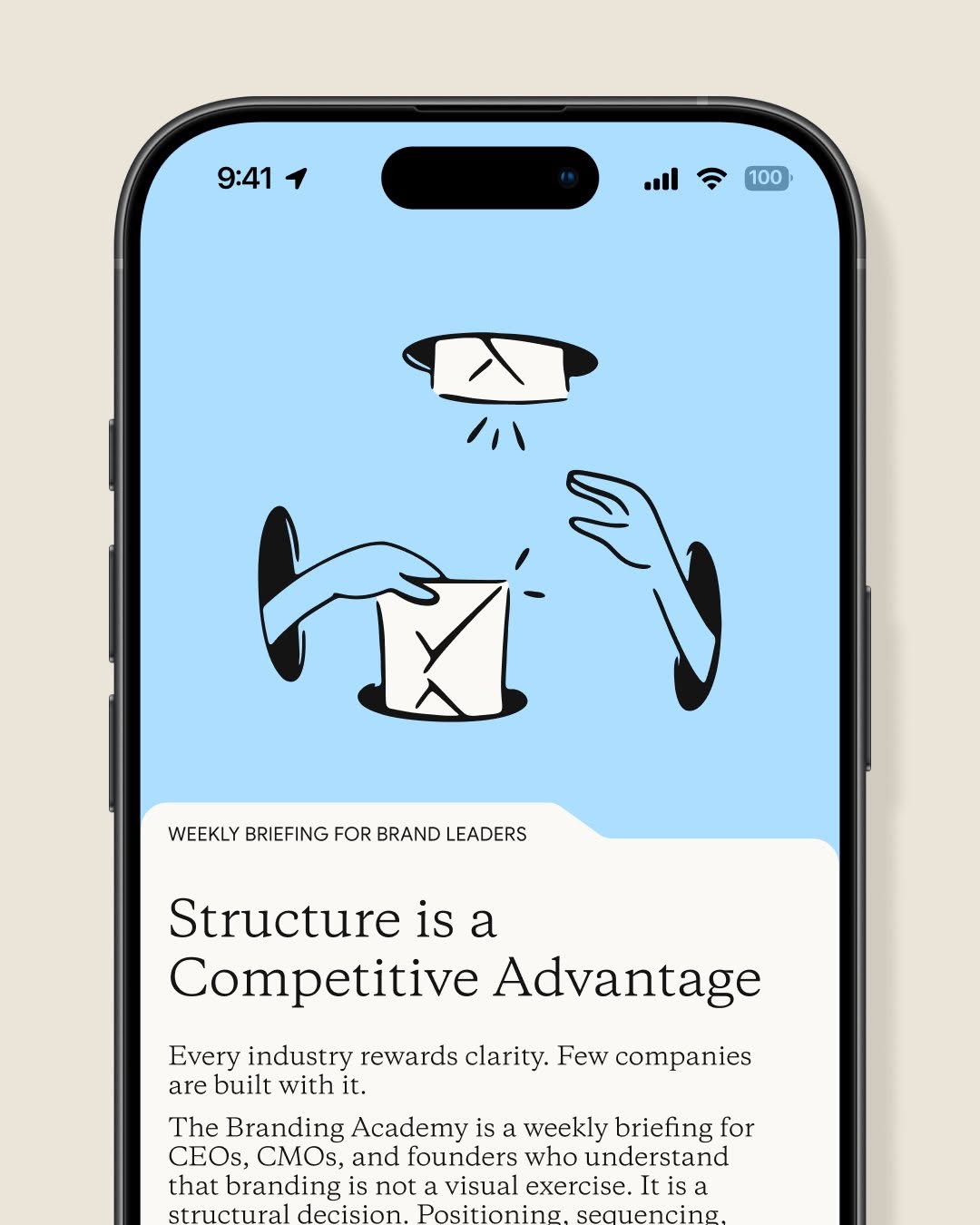
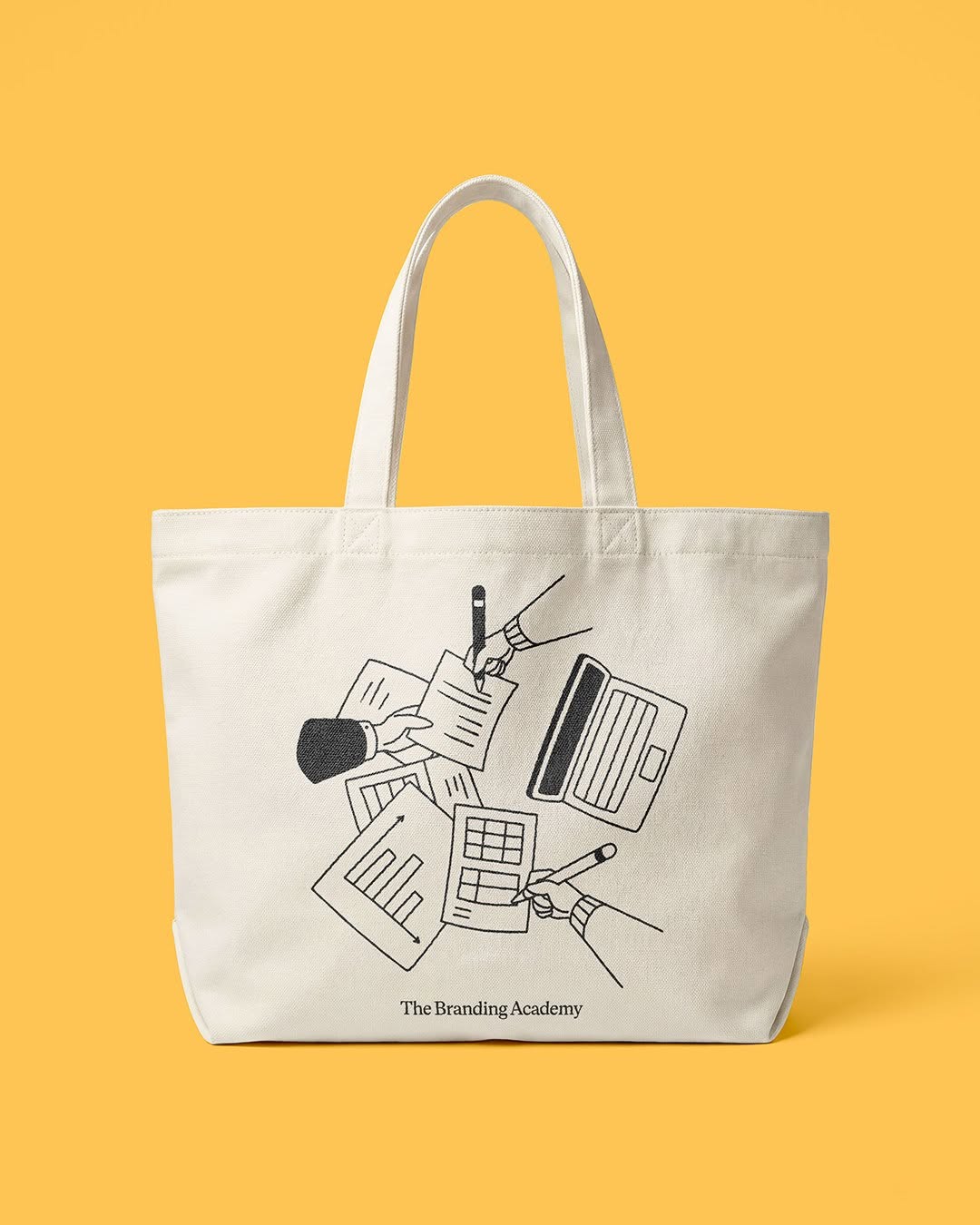
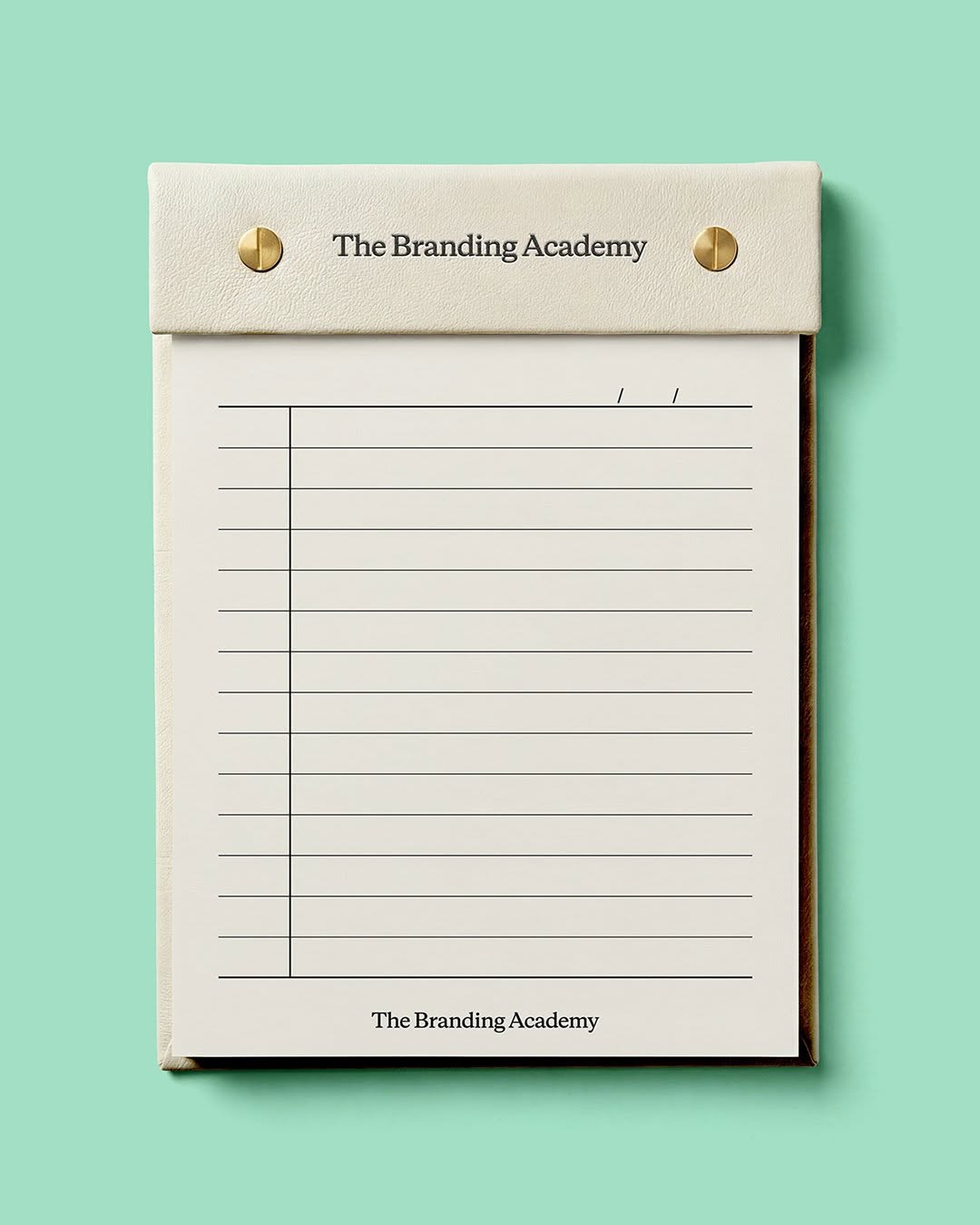
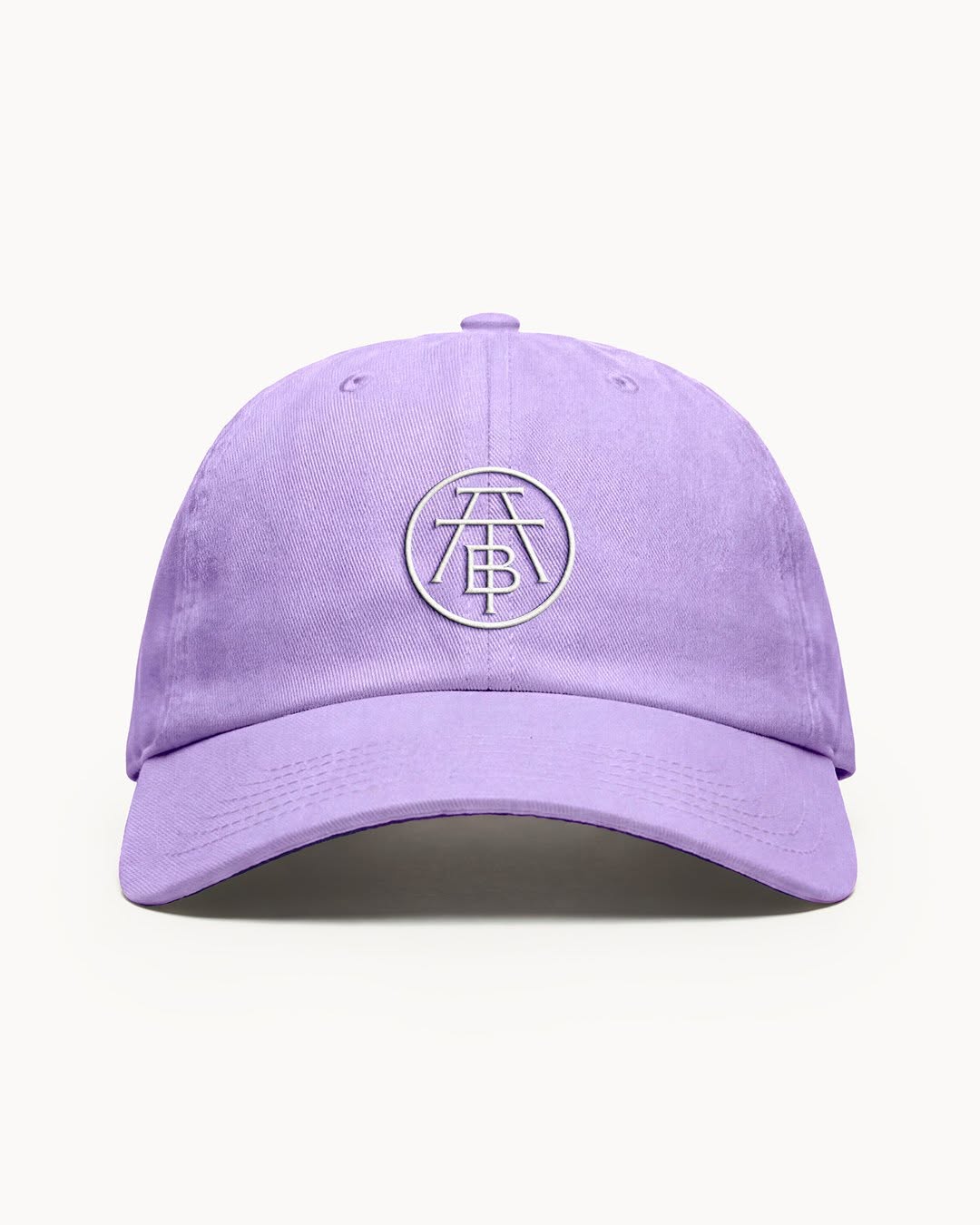
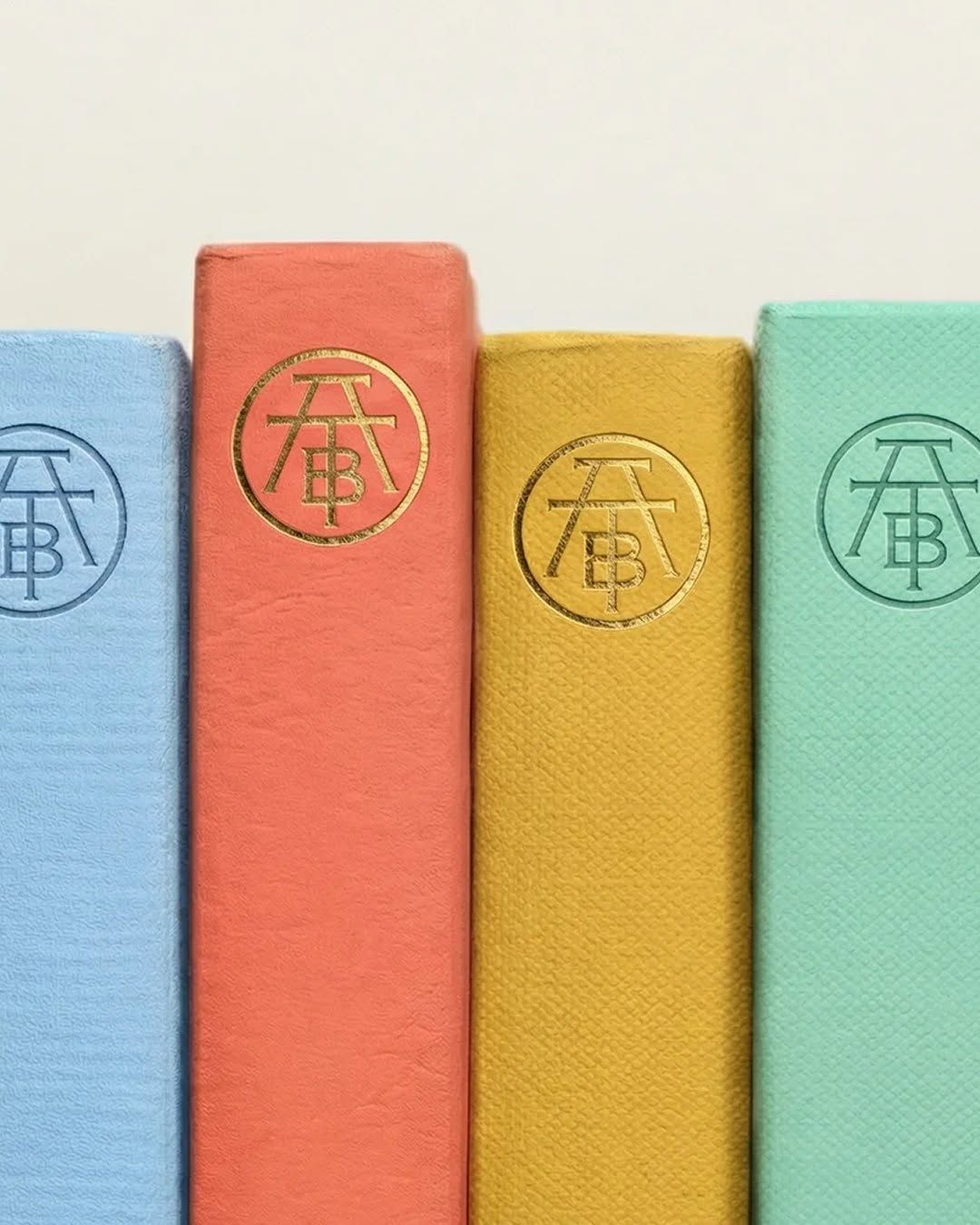
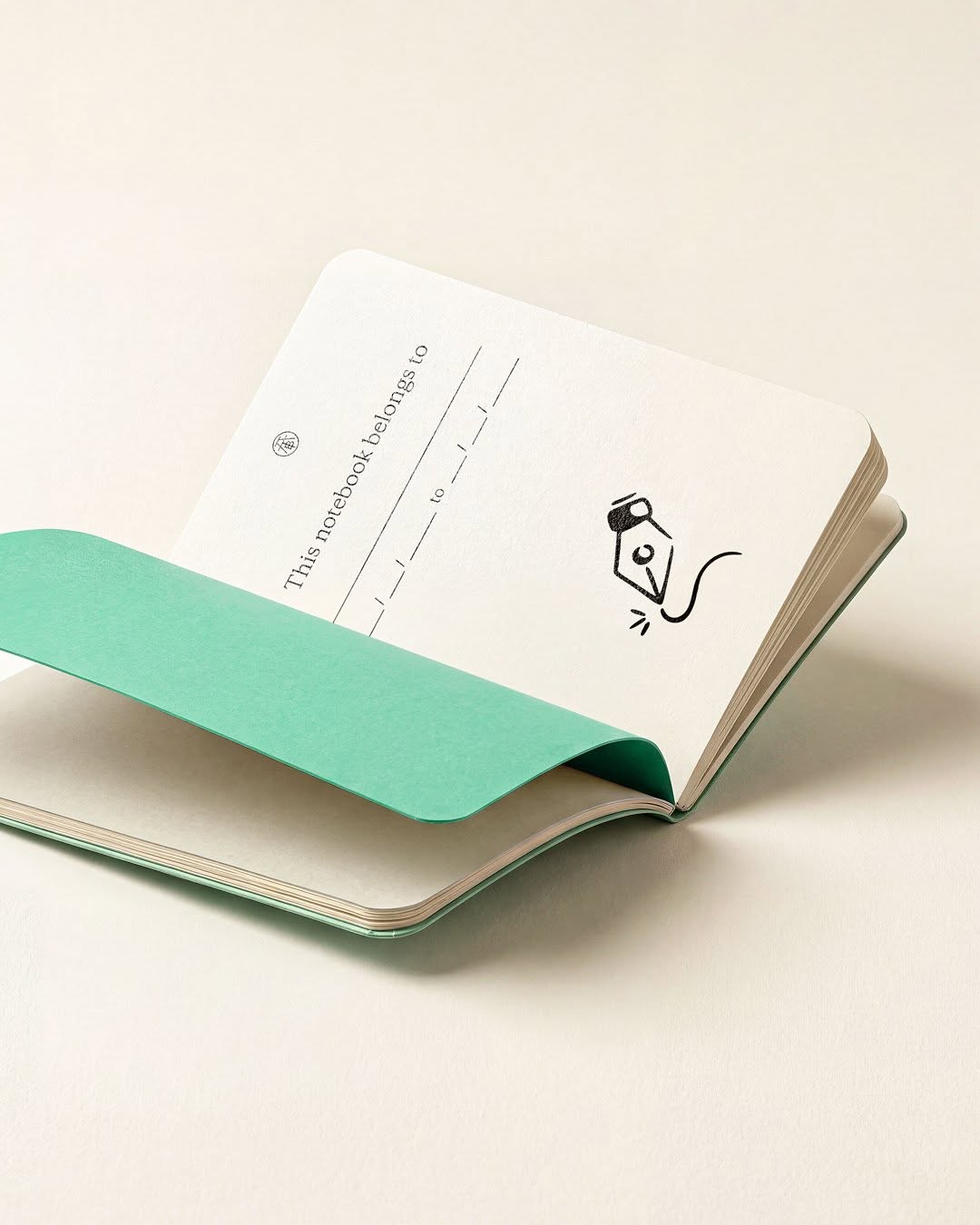
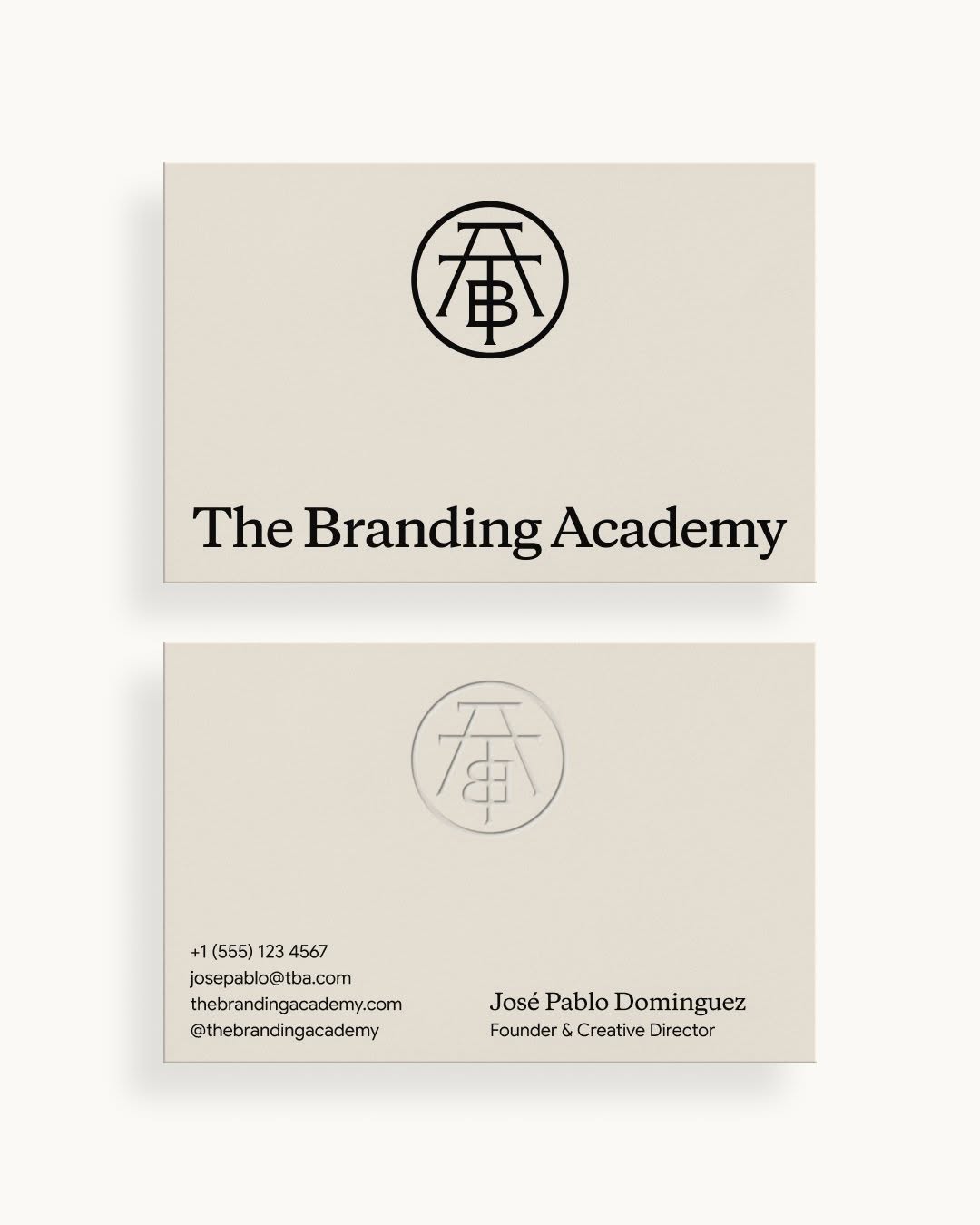
jdomito treats an identity as a coordinated system rather than a single logo, every element chosen to speak softly and match. That system thinking is the heart of hotel-grade hospitality, where the key card, the robe tag and the notepaper all feel art-directed by the same hand. For gifting it's the difference between a good object and a good experience. The box, card, tissue and product should look like they were designed in one sitting, sharing type, colour and material logic. When every touchpoint agrees with the others, the recipient reads care and coherence before they read the brand name. Consistency across the set is what makes the whole thing feel expensive.

2026年5月21日
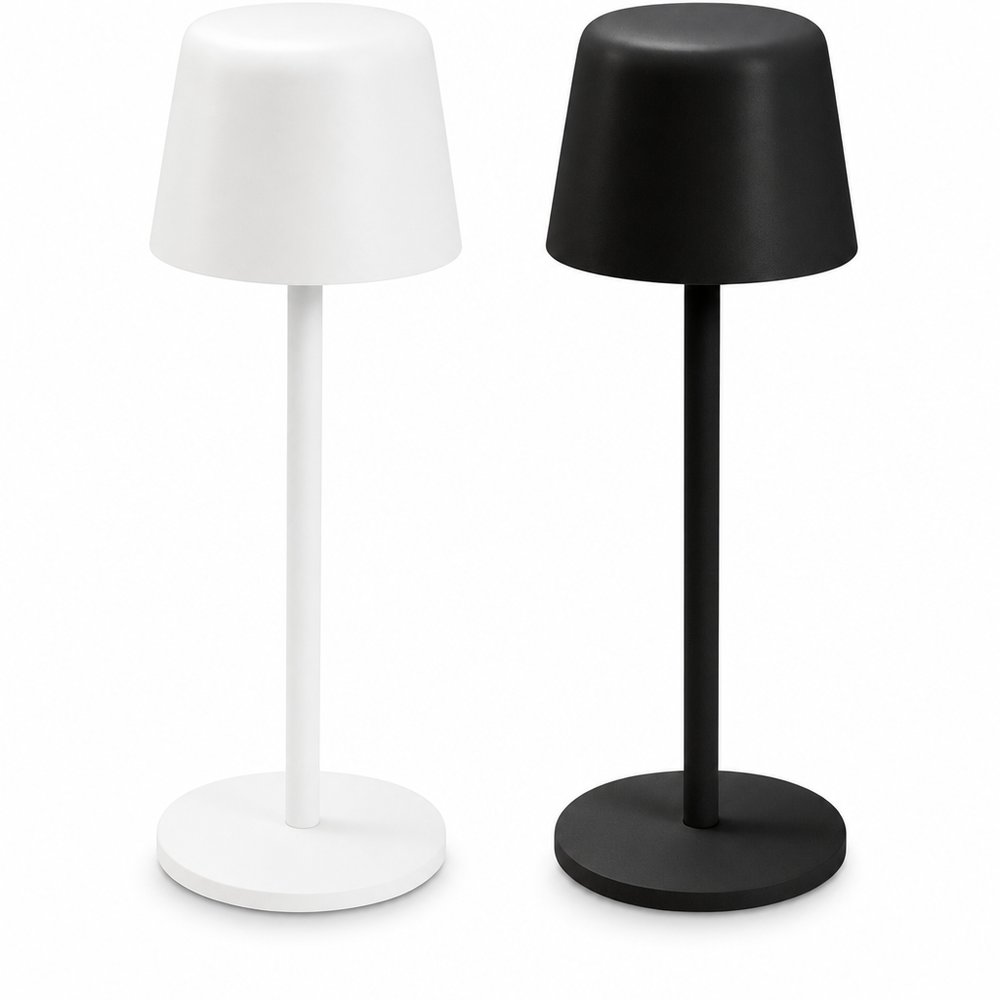
This identity lives in our Boutique Hotel aesthetic — The feeling of checking into a beautiful hotel. Warm lighting, thoughtful details and products guests remember.

The Brand Move

jdomito: an identity built like a system

Part of the boutique hotel aesthetic →

What makes it work

jdomito treats an identity as a coordinated system rather than a single logo, every element chosen to speak softly and match. That system thinking is the heart of hotel-grade hospitality, where the key card, the robe tag and the notepaper all feel art-directed by the same hand. For gifting it's the difference between a good object and a good experience. The box, card, tissue and product should look like they were designed in one sitting, sharing type, colour and material logic. When every touchpoint agrees with the others, the recipient reads care and coherence before they read the brand name. Consistency across the set is what makes the whole thing feel expensive.

What it signals

Boutique hotel is the aesthetic of considered hospitality — amber light, brass, cream linen, the feeling of being expected. Use it for gifts that should feel like a stay somewhere expensive: client welcomes, settlements, VIP events. It flatters the recipient rather than promoting the sender, which is exactly why it works.

Apply it to merchandise

This move translates naturally to Hotels & venues, Property developers, Private banking & wealth, Law & advisory firms, Airlines (premium cabins), and Wedding & event planners.

Who owns this look

  • Aman & Soho House:the template: monogram restraint, materials over marks
  • Aesop (amenities):the hotel-bathroom flex that upgraded an entire industry's amenity thinking
  • The Hoxton:warm mid-century hospitality branding that travels city to city
  • Halcyon House (Cabarita):Australia's coastal take on boutique-hotel identity

Why it matters now

  • Lightweight luxury

    2026's luxury packaging is shedding weight — premium now means considered materials and closures, not heavy boxes. Perfect for hotel-grade gifting.

  • Refillable prestige

    aluminium and refill systems are the new premium amenity standard — sustainability as a luxury feature, not a compromise.

  • Monogram revival

    quiet-luxury fashion brought back the small woven monogram; hotel-style gifts with initials-not-logos feel personal and expensive.

The psychology

Why we study brands we admire

Great identities are solved problems you get to inherit for free. Every brand crush in this collection made a decision — about material, restraint, colour, voice — that took them years to land. Studying the decision costs you four minutes and skips the years.

Three more from the studio

More moments worth a look.

Want something like these?

Ask Findie for a quick conversation, or hand the brief to Susan and the team. Either works.